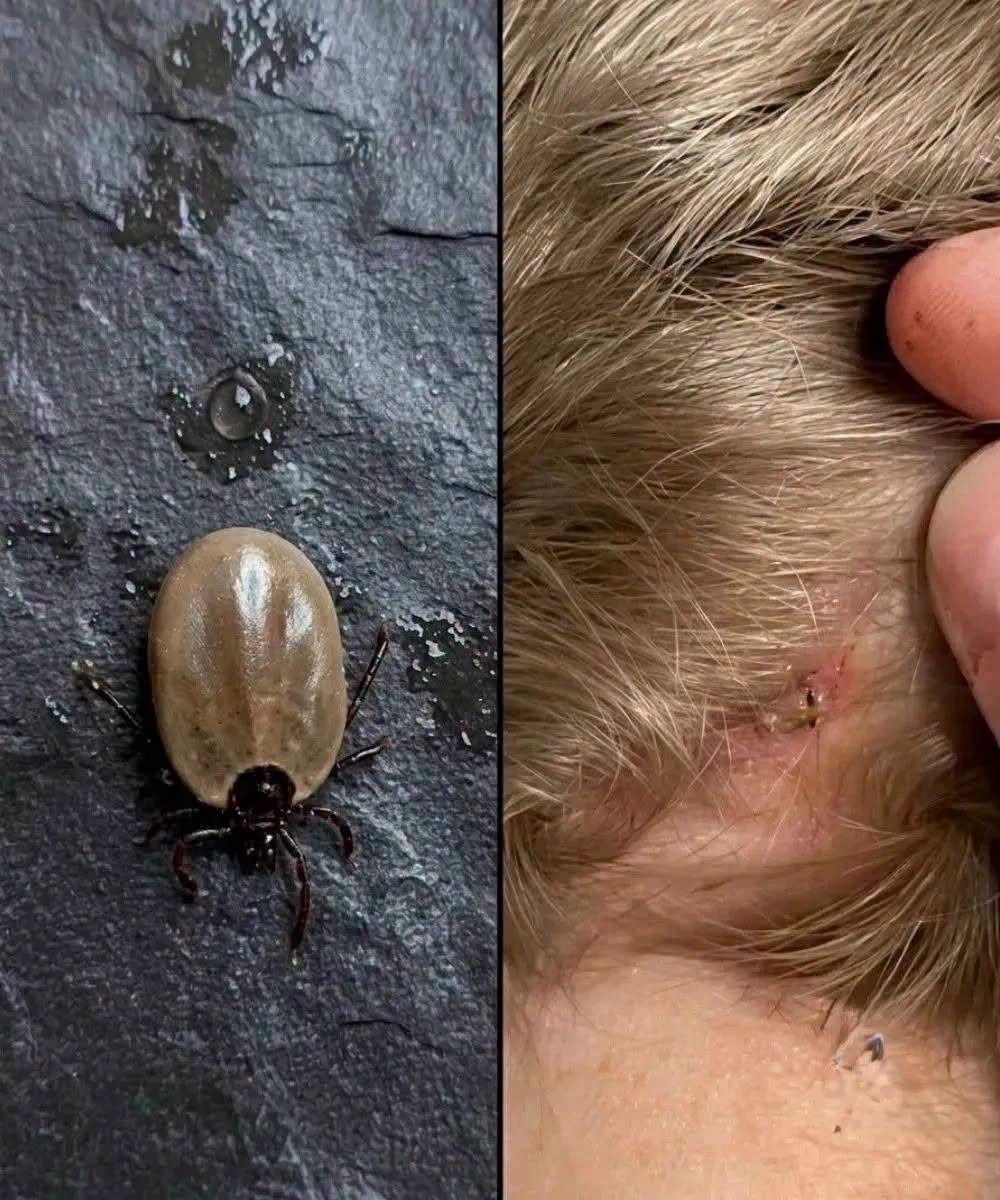
Finding a tick on your child can be an alarming experience, but it is important to stay calm and methodical. While ticks can carry diseases in certain regions, most bites do not lead to serious illness—especially when the tick is removed quickly and correctly. Finding a tick isn’t a reason to panic; it is simply a signal to take careful action.
Here is a step-by-step guide on how to handle it:
1. Safely Remove the Tick
-
Use the right tools: Use fine-tipped tweezers to grasp the tick as close to the skin’s surface as possible.
-
Pull straight up: Pull upward with steady, even pressure. Avoid twisting or crushing it, as this can leave parts of the tick behind and increase the risk of infection.
-
Disinfect: Once removed, clean the bite area and your hands thoroughly with rubbing alcohol, an iodine scrub, or soap and water.
-
Save the evidence: Place the tick in a small, sealed container or ziplock bag. If symptoms develop later, identifying the tick can help your doctor determine the best course of action.
2. Monitor for Symptoms After the bite, careful observation is essential. Over the following days and weeks, keep an eye out for:
-
Unexplained fever or unusual fatigue
-
Rashes (especially a growing “bullseye” rash around the bite)
-
Headaches or joint pain
-
Uncharacteristic changes in behavior
Note: Many tick-borne illnesses do not appear immediately, and early symptoms can easily be mistaken for a common summer cold or viral infection.
3. Know When to Seek Medical Advice If any of the above symptoms develop, or if you suspect the tick was attached for a long period (often 24 to 36 hours), reach out to a healthcare provider. They can assess the risk based on your geographical location, the specific type of tick, and your child’s clinical signs to ensure prompt treatment if necessary.
4. Prevent Future Bites The best defense is a good offense. You can significantly reduce future exposure by:
-
Doing thorough full-body skin checks after outdoor activities.
-
Dressing your child in protective, light-colored clothing (which makes ticks easier to spot).
-
Applying an EPA-registered insect repellent when visiting high-risk areas like woods, brush, or tall grass.
Although dealing with a tick can feel stressful in the moment, most bites remain completely minor when handled properly. Awareness, prompt action, and sensible monitoring are all it takes to protect your child’s health and give yourself peace of mind.